Embroidery vs Screen Printing: Which Is Right for Your Team?
October 7, 2026
If you've never ordered branded apparel before, embroidery vs screen printing is probably the first real decision you'll run into. Both put your logo on shirts, caps, and other gear, but they look different, wear differently, and fit different kinds of logos. Neither one is the "correct" choice across the board. The right pick just depends on what you're ordering and what your logo looks like.
This guide walks through how each method looks and holds up, which garments and logos tend to suit each one, what a typical minimum order looks like, and what to expect on turnaround. The goal here isn't to sell you on one over the other. It's to help you walk into your order knowing which one actually fits what you need.
How Embroidery Looks and Wears
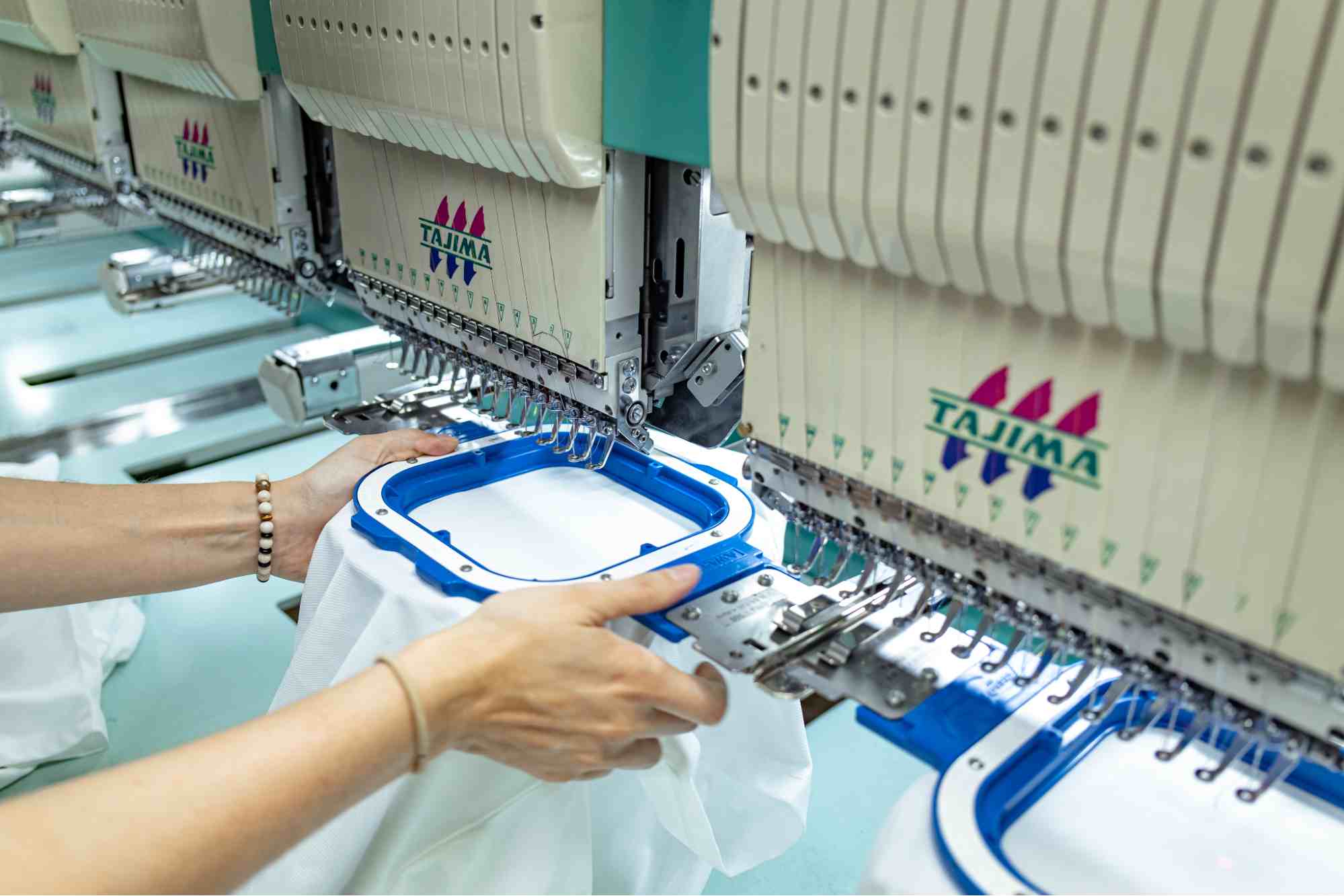
Embroidered logos are stitched directly into the fabric with thread, which gives them a raised, textured look. That texture is part of why embroidery tends to read as more polished, particularly on things like polos, jackets, and structured caps. Because the design is stitched rather than printed, it holds up well over years of washing without cracking or fading the way some printed designs eventually do.
Embroidery works best with logos that have solid colors, clean lines, and not too much fine detail. Very small text, tight gradients, or a large number of colors can get tricky to stitch cleanly, since each color and shape has to be built out of thread.
How Screen Printing Looks and Wears
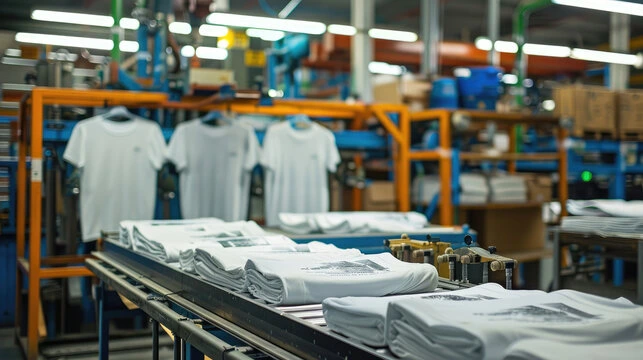
Screen printed logos sit on top of the fabric instead of being stitched into it, which gives a flatter, bolder look. It's a strong choice for large graphics, full front designs, or event shirts where you want a design to cover more of the shirt than a small stitched logo typically would. The color shows up solid and consistent across a whole run, which matters if you're gearing up a big group and want every shirt to look the same.
Screen printing handles bold, simple designs well and can also work for graphics with more visual complexity than embroidery can comfortably manage. It holds up well through regular washing, though very fine detail can still be a challenge with this method too.
Which Logos and Garments Suit Each Method
A few patterns tend to hold true across most orders:
- Simple, solid logos on polos, jackets, or caps usually look best embroidered
- Larger graphics or full front designs on t-shirts usually work better screen printed
- Logos with fine text or lots of small detail can be tough for either method and may need a design tweak either way
- Uniform and workwear programs often lean toward embroidery, since it holds up to daily wear and repeated washing
- One-time event shirts often lean toward screen printing, since it's well suited to larger, simpler graphics printed in volume
If your logo doesn't clearly fit one camp, that's normal. Working through embroidery vs screen printing for your specific design is worth a quick look before committing either way.
Minimums and When DTF Makes Sense
Both custom embroidery and custom screen printing are built around team and bulk orders, not single pieces, so both methods carry an order minimum. Embroidery orders typically start at 16 pieces, while screen printing for a one-color design typically starts at 24 pieces. Those minimums exist because setting up either method takes real work regardless of how many pieces you order, so spreading that setup across a bigger run keeps things practical.
Fall short of either minimum, or bring a logo with fine detail, gradients, or a high color count, and DTF printing tends to be the more workable path. Its minimum runs lower, and it takes on detailed artwork with less strain than either embroidery or screen printing.
What to Expect on Proof and Turnaround
Once you approve the proof, your order can move into production. Most decorated apparel orders take around 10 to 14 business days from proof approval, although that can vary depending on the size of the order, the products you've chosen, and the production schedule. Product availability matters too, since all of the garments need to arrive before decoration can get underway.
If you're ordering for an event or have a date you're trying to hit, it's always a good idea to start the conversation early. That gives you more product choices and a little more breathing room if something takes longer than expected. And once the proof lands in your inbox, approving it quickly is one of the easiest ways to help keep the order moving.
So, Which Is Better: Embroidery or Screen Printing?
Honestly, asking which is better embroidery or screen printing is a bit like asking whether a hammer or a screwdriver is better. It depends entirely on what you're building. A simple logo on polos for a small office team usually points toward embroidery. A bold graphic on event shirts for a hundred person conference usually points toward screen printing. A detailed, multicolor logo on a smaller run might point toward DTF instead of either one.
Both methods sit alongside AZ CAP Co's broader corporate branding solutions and fully custom apparel options, all built around team and bulk orders rather than single pieces.
If you're still not sure after reading through this, that's a completely normal place to be for a first order. Bringing your logo and a rough idea of what you're ordering it for to the AZ CAP Co contact page is usually enough for someone to help you land on the right method.
Frequently Asked Questions
Can the same logo work for both embroidery and screen printing?
Often, yes, though it may need small adjustments depending on the method. A logo with fine detail or a lot of colors might need simplifying for embroidery, while a very small or intricate design might need to be sized up for screen printing to look clean. It's common for businesses to use embroidery for polos and caps while using screen printing for event or team shirts with the same overall branding.
Does embroidery or screen printing last longer?
Both hold up well with normal washing and wear when done properly. Embroidery tends to hold its look a bit longer on items that see heavy daily use, like uniforms, since the design is stitched into the fabric rather than sitting on top of it. Screen printing holds up well too, particularly for items that aren't washed as frequently, like event shirts worn a handful of times.
What if my order is too small for either minimum?
If your order falls under the minimum for embroidery or screen printing, DTF printing usually fills that gap well. Its lower minimum and comfort with detailed artwork make it a common fallback for smaller runs or logos that would be a strain for either of the other two methods.
Do I need a finished, print ready logo to get started?
No. A clear image file is enough to start the conversation for either method. If your logo needs adjusting to work well with the method you choose, that gets sorted out before anything goes into production, as part of the proof process.
How do I know which method is right for my order?
The short version: think about the garment, the logo, and how the item will be used. Structured items like polos and caps with simple logos usually suit embroidery. Larger graphics on shirts for an event usually suit screen printing. If you're still unsure, sharing your logo and a description of the project is usually enough for someone to point you in the right direction.













.svg)


.png)